
Tea · 4 min read
The Six Types of Chinese Tea, Explained by Their Making
Green, white, yellow, oolong, red and dark teas are differentiated chiefly by processing. Leaf colour or an English label alone can mislead.
BAI Atelier Editorial
China's six broad tea categories are green (绿茶), white (白茶), yellow (黄茶), oolong or qing (乌龙茶/青茶), red (红茶), and dark tea (黑茶). The distinctions are grounded in how leaves are processed and oxidised, not in six separate tea plants. Different cultivars and places still matter within each category.
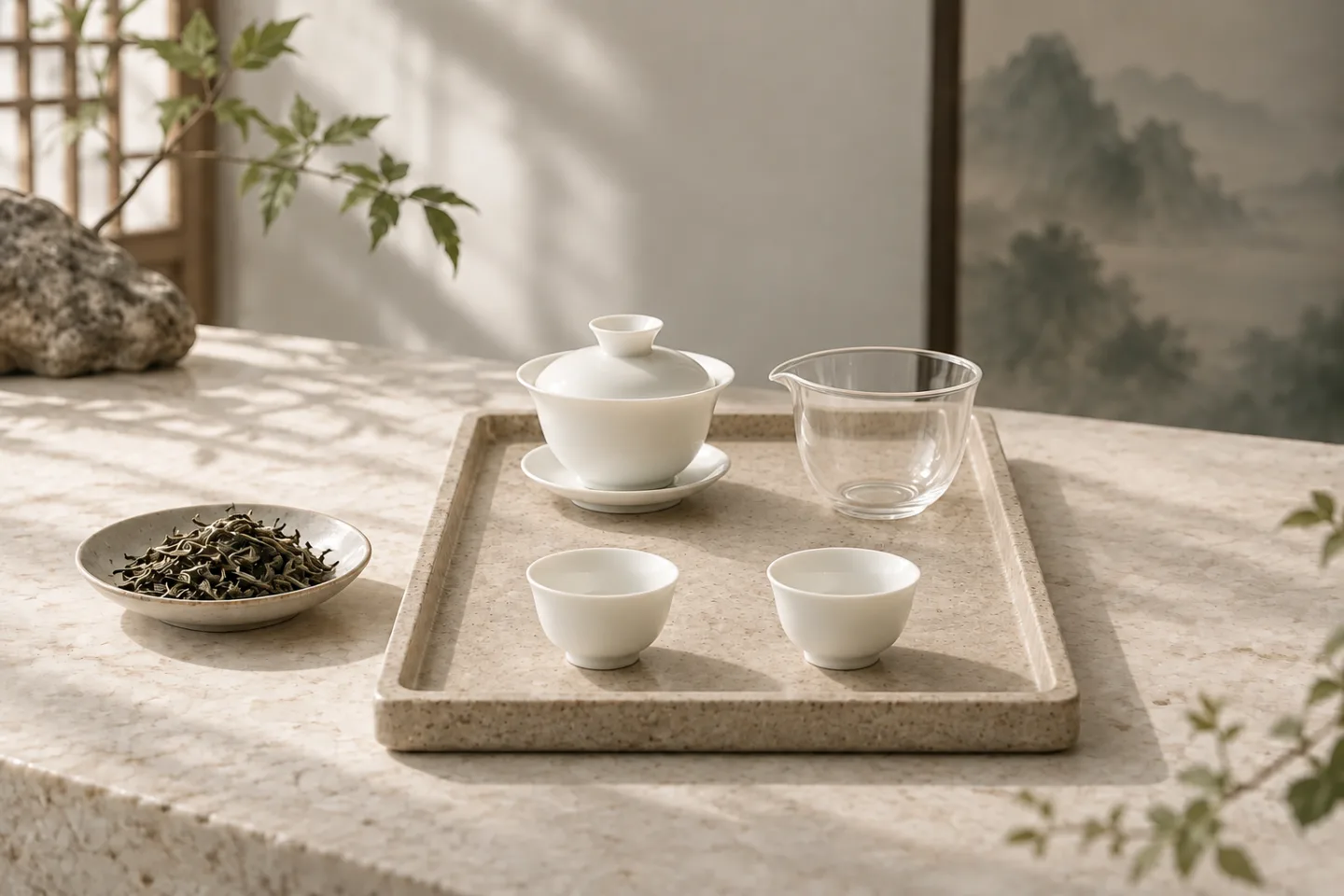
Follow what happens to the leaf
- Green tea: heat treatment slows enzymatic oxidation early in processing.
- White tea: withering and drying are central; the leaves are not rolled in the same way as many other teas.
- Yellow tea: a moist-heat yellowing step, menhuang (闷黄), distinguishes it from green tea.
- Oolong tea: repeated resting and shaking, among other steps, shape partial oxidation and aroma.
- Red tea: oxidation during processing contributes to its characteristic red liquor.
- Dark tea: post-processing transformation, including heaping in some traditions, gives this category a different path.
Jasmine tea is usually a scented, reprocessed tea rather than a seventh basic category. Once you know how a tea was made, you can make a more useful first choice about brewing; the next guide offers starting points, not fixed rules.
Sources
Keep reading

The Meaning of Scholar's Rocks in Chinese Culture

Inside a Jingdezhen Studio: Where Tradition Meets Today

A Beginner's Guide to Incense Rituals at Home
A Chinese Tea Table, Explained: Vessels and Everyday Practice
How Chinese Gardens Shape a View: Frames and Borrowed Scenery
What Are the Four Treasures of the Chinese Study?
How to Look at Empty Space in Chinese Landscape Painting
Incense Burner, Box and Tools: What Does Each Do?
The Craft of Wooden Windows in Suzhou Gardens
How to View a Chinese Handscroll
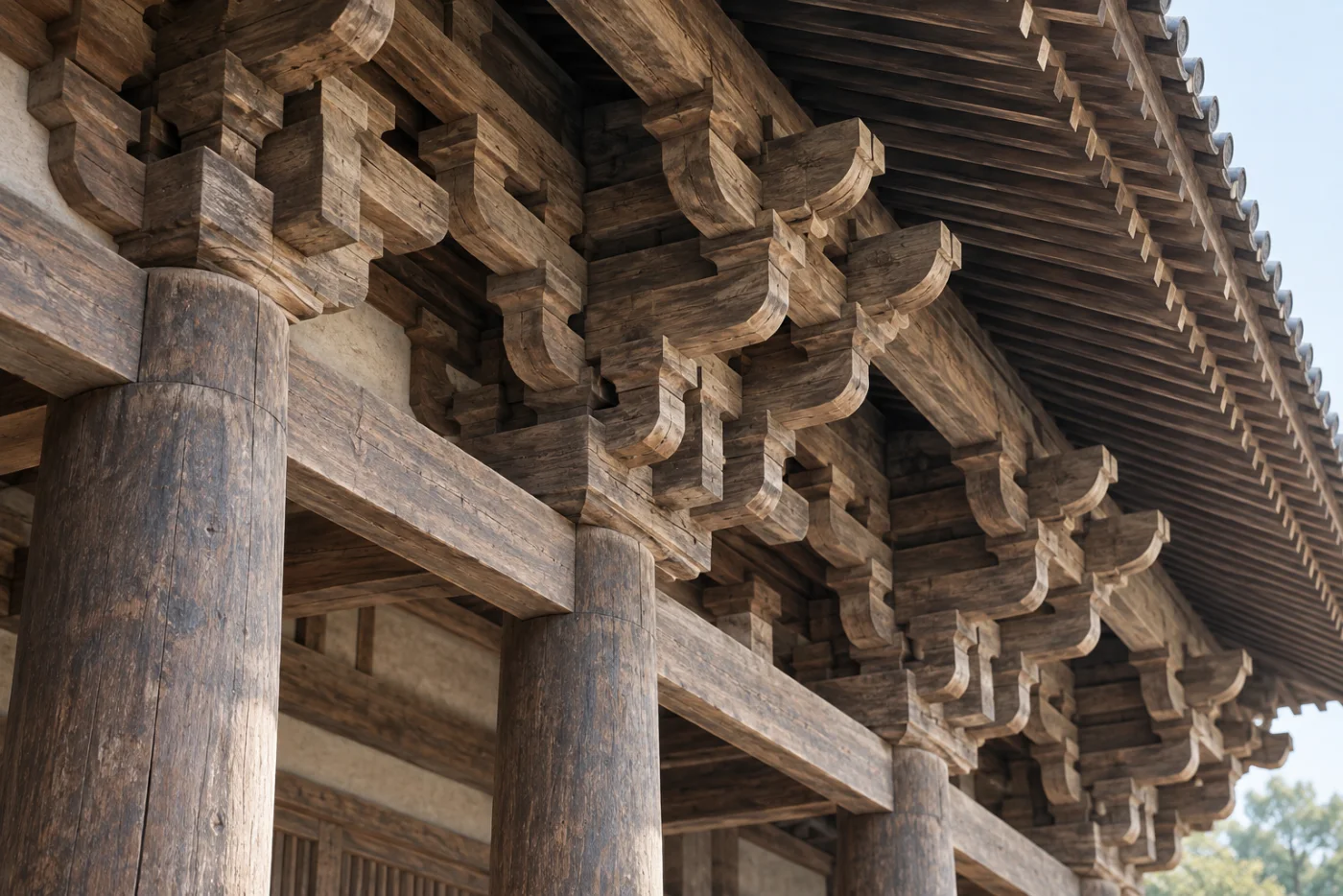
What Is Dougong in Chinese Architecture?
What Are Chenxiang and Guanxiang? A Guide to Chinese Agarwood
How Traditional Chinese Incense Is Made
How to Use Incense Sticks, Coils, Cones and Powder
How to Brew Different Chinese Teas: Six Starting Points
How Jasmine Tea Gets Its Scent in Fuzhou
Why Does a Han Incense Burner Look Like a Mountain?
What Is Indirect Heating in Chinese Incense?
Chaozhou Gongfu Tea: A Regional Way of Serving Oolong
Song Dynasty Diancha: Tea Whisked in a Bowl
A Fragrant Pouch That Does Not Burn: Xuzhou Incense Sachets
How Did a Tang Incense Sphere Keep Its Cup Upright?
How Hand-Firing Shapes West Lake Longjing Tea
Why Is Roasting Part of Wuyi Rock Tea?
What Is Xiangzhuan, a Chinese Incense Seal?
Enshi Yulu: A Chinese Green Tea Fixed by Steam
Why Are Tieguanyin Leaves Shaken During Making?